The Most Common Places Slip Incidents Happen in Commercial Buildings
Learn where slip incidents commonly happen in commercial buildings, what conditions create exposure, and what facilities teams should evaluate before choosing a corrective action.

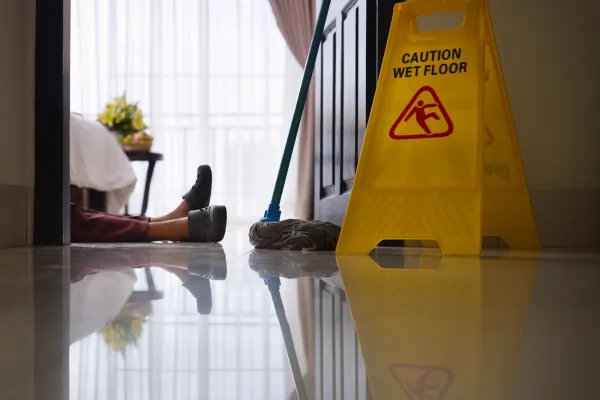
Learn where slip incidents commonly happen in commercial buildings, what conditions create exposure, and what facilities teams should evaluate before choosing a corrective action.
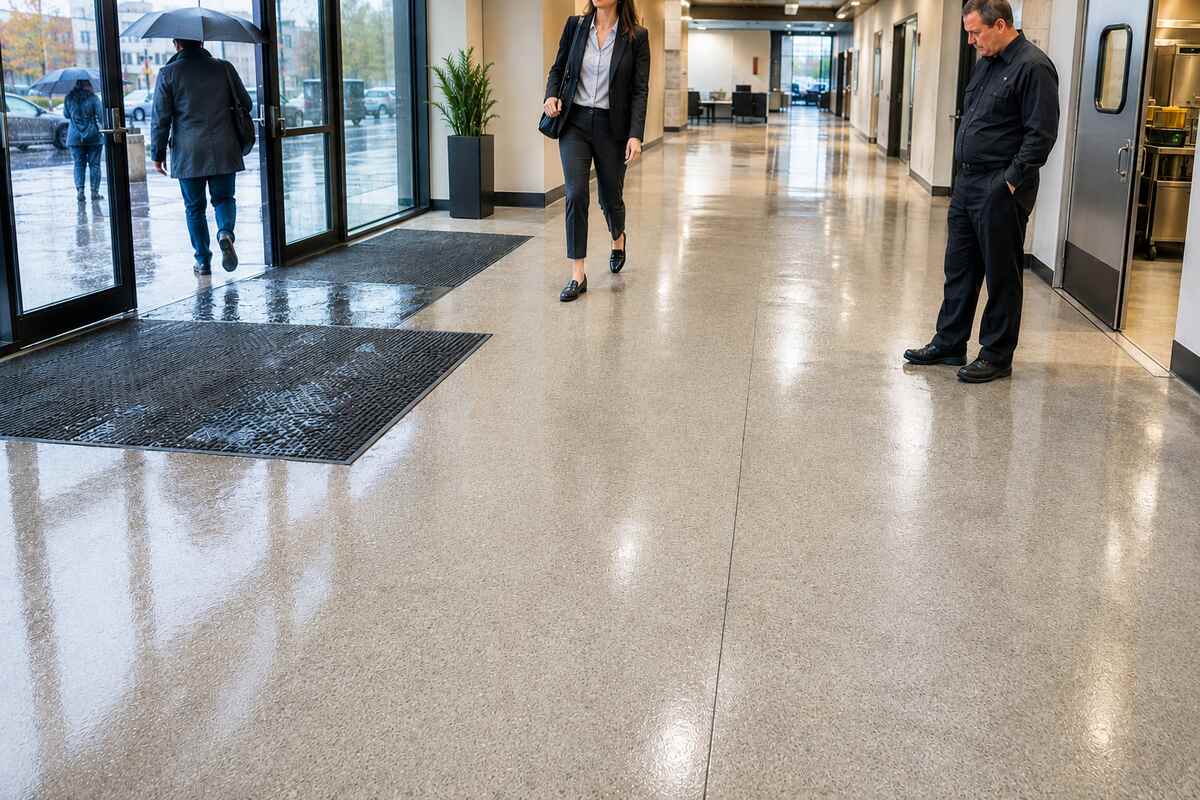
Discover how moisture affects floor traction, why wet floor traction changes, and how floor traction testing improves wet floor slip resistance.
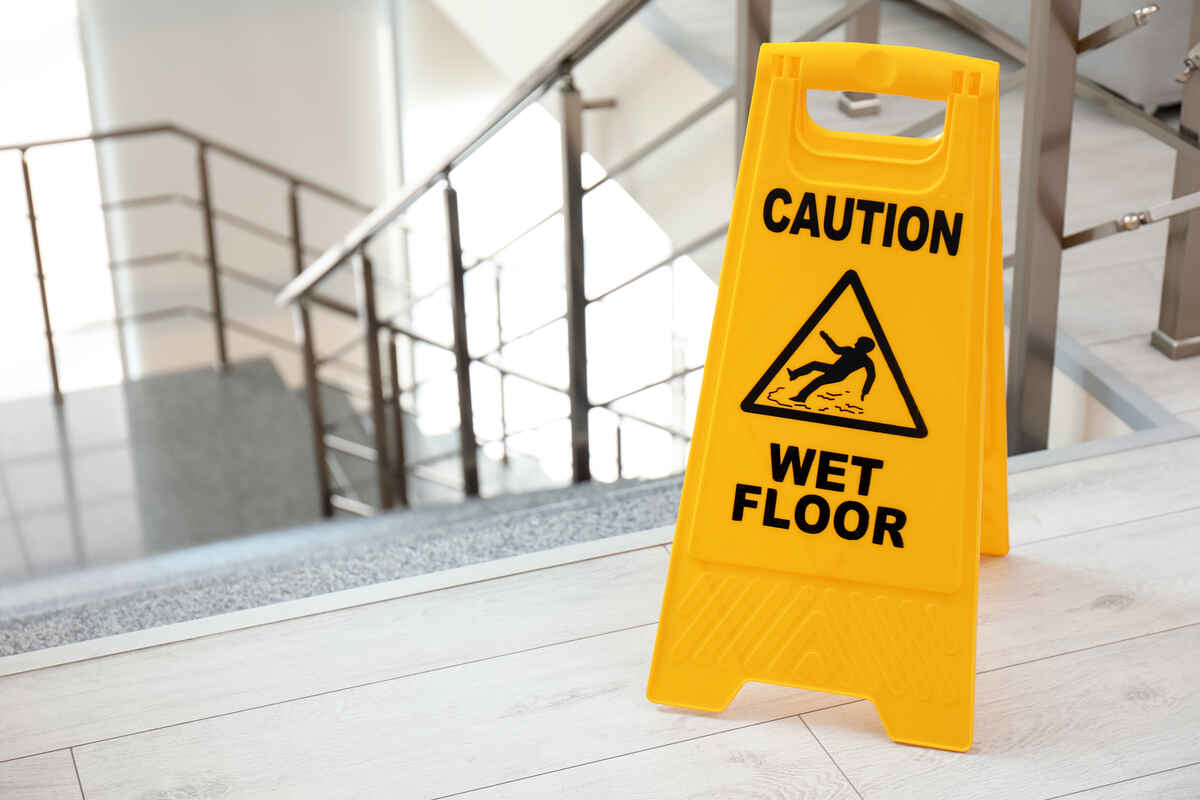
A slippery when wet sign warns people, but does it reduce liability? Learn how wet floor safety, slip and fall liability, and floor traction testing help protect your facility.
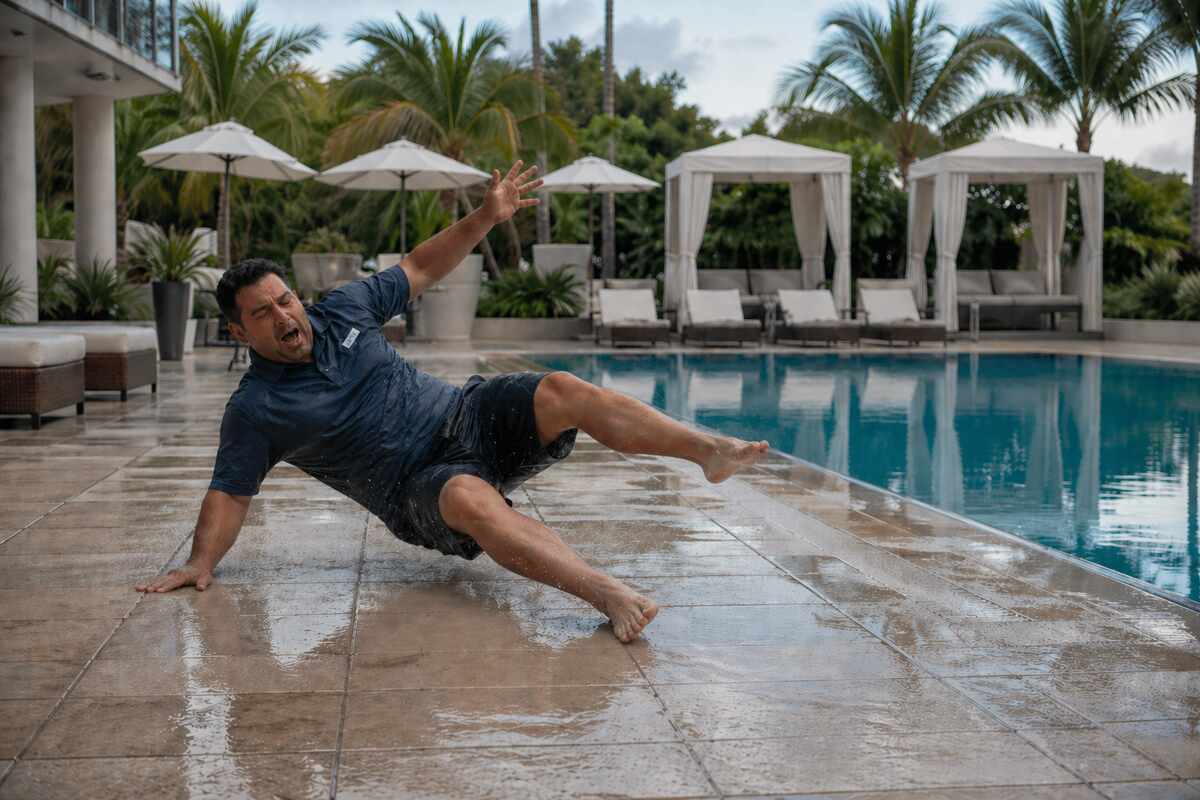
Pool deck safety risks explained. Learn why pool decks become slippery, how slip-resistance testing and DCOF improve traction, and how to reduce slip-and-fall liability.
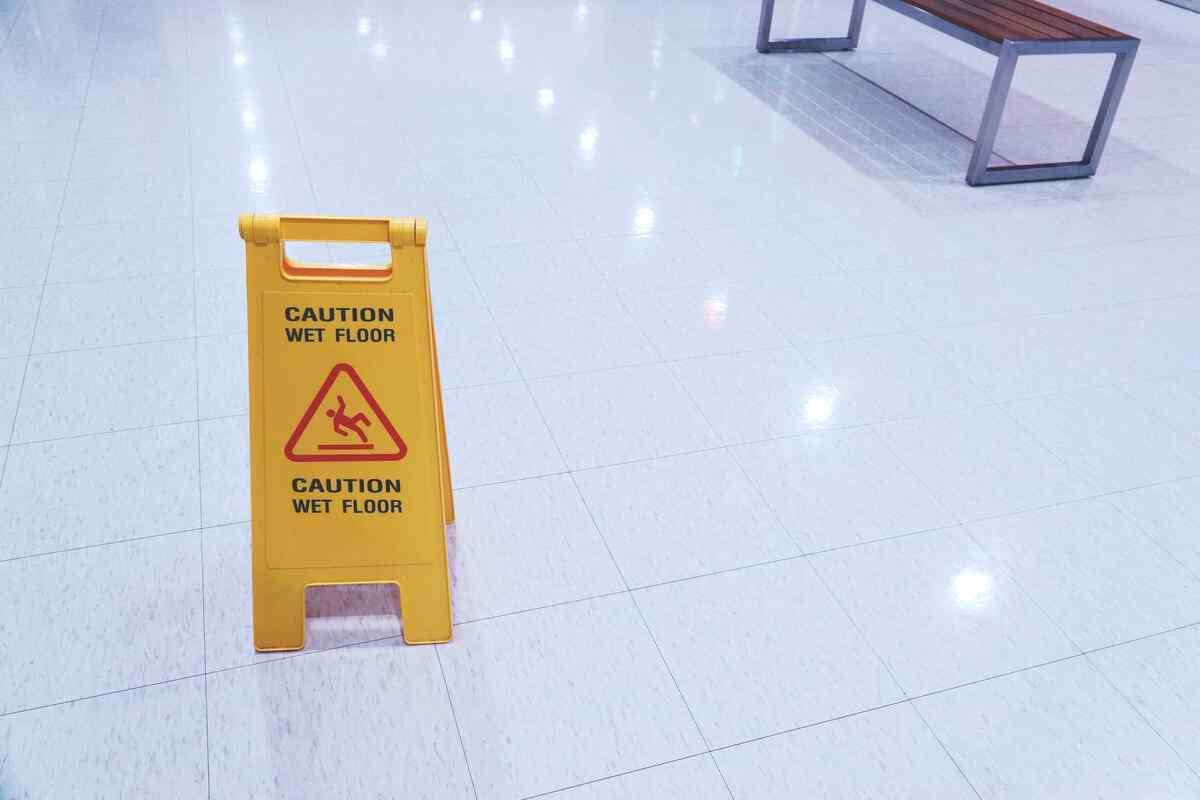
Learn why floors become slippery when wet, what makes floors slippery, what causes slippery floors, and how to prevent slippery floors effectively.
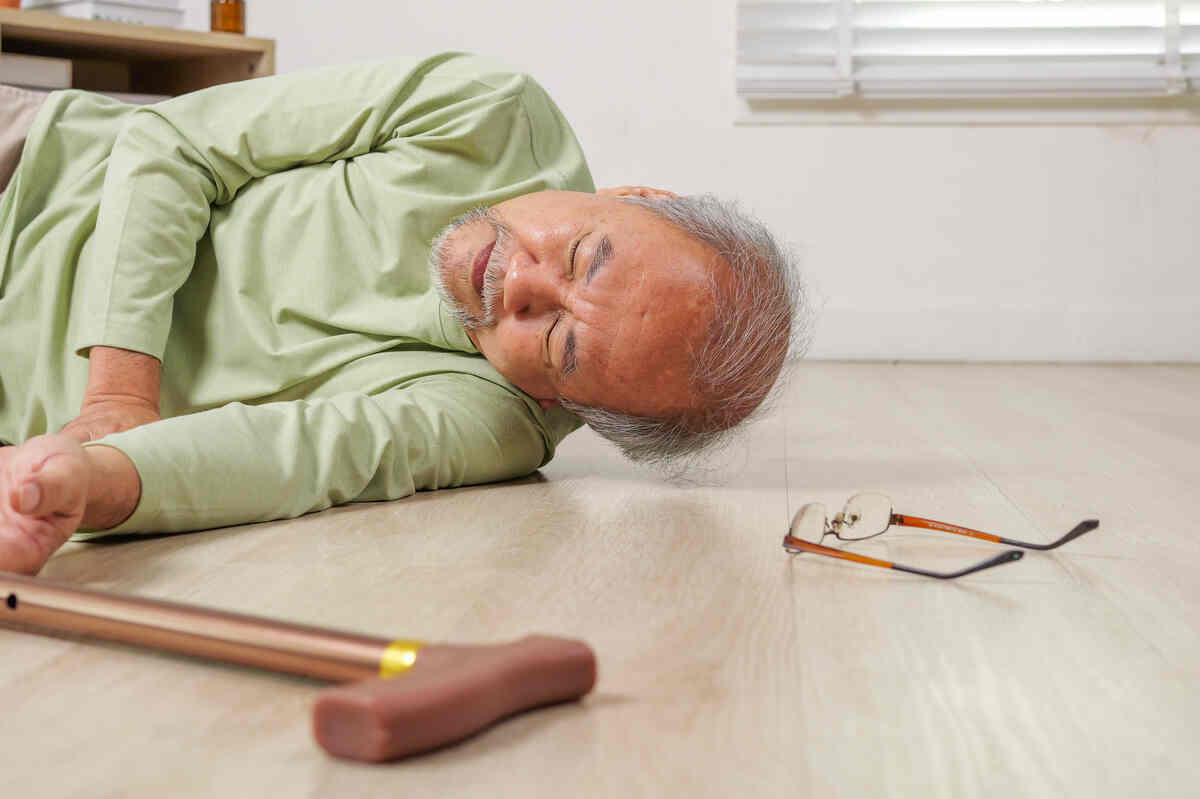
Causes of slip and fall accidents explained, including the most common slip and fall hazards, key slip and fall risk factors, and workplace slip and fall causes.
A floor that has never undergone slip resistance testing is an assumption, not a known condition. Our role is to replace assumption with measurement: structured DCOF testing, clear documentation, and practical recommendations only where needed. The priority is clarity over speculation and documentation before intervention.
Professional walkway evaluations aligned with ANSI/NFSI standards. Documentation available for audit, insurance, and risk management review.
Privacy Policy | Terms & Conditions
©2026 Slip Stoppers of Alabama. All rights reserved.
Powered by Kyrios Systems.


