
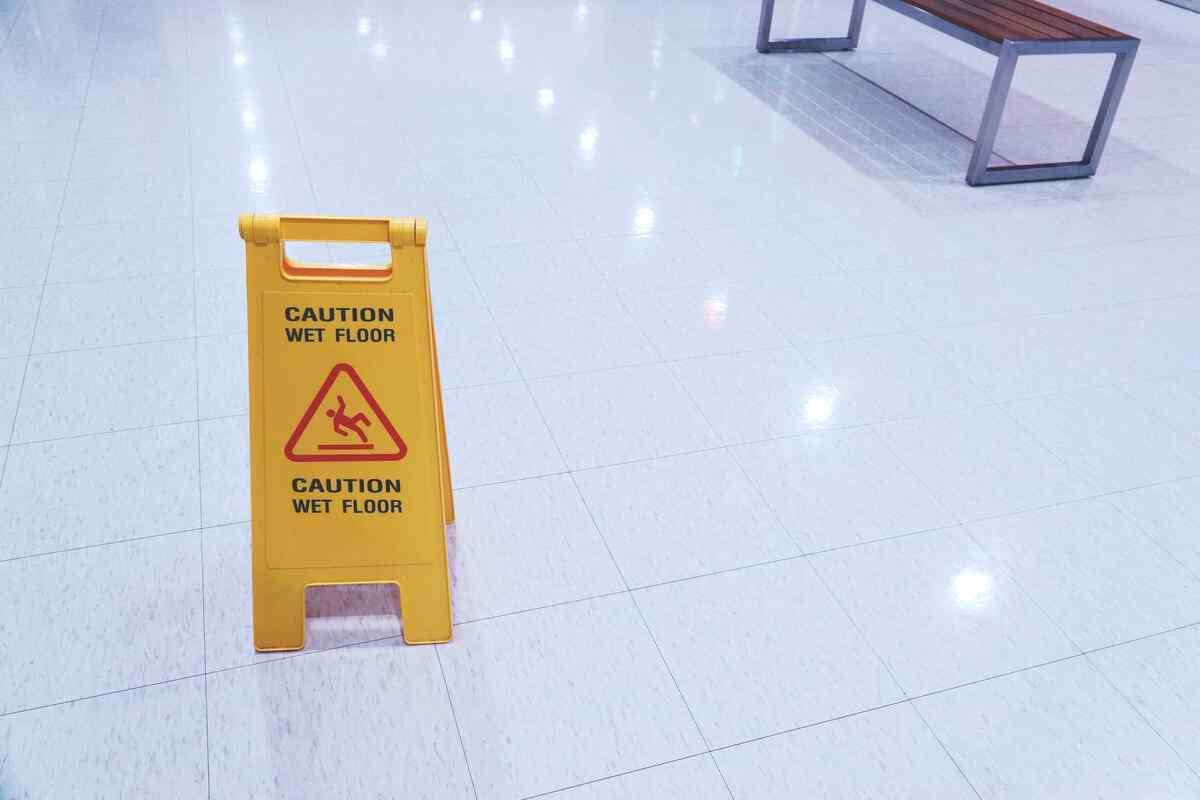
Why Your Floors Become Slippery When Wet
Most floors don’t seem dangerous—until something changes.
A hallway that feels completely normal during the day suddenly becomes a problem after rain. An entryway that looks clean and well-maintained turns unpredictable once moisture is tracked inside. In many facilities, the first sign that something is wrong isn’t a warning—it’s a slip.
That’s why questions like “why floors become slippery when wet” or “what causes slippery floors” tend to come up after the fact, not before.
The assumption is usually simple: water makes floors slippery. And while that’s partially true, it’s not the full picture.
The reality is that water doesn’t create the problem—it exposes it.
Some floors maintain traction even when wet. Others lose just enough grip to become a risk. The difference comes down to how the surface actually performs, not how it looks.
This is where most facilities run into trouble. Floors are judged by appearance, not by measurable traction. Cleaning routines are assumed to help, even when they sometimes make the problem worse. And unless something has already happened, the surface is rarely evaluated in a meaningful way.
For someone responsible for a building, that creates a quiet but persistent question:
Is this floor actually safe—or does it just look that way?
In this article, we’ll break down:
why floors become slippery when wet
what makes floors slippery in real-world conditions
what causes slippery floors in commercial environments
and how to prevent slippery floors without overcorrecting or guessing
The goal isn’t to overcomplicate the issue. It’s to make it clear enough that you can look at a floor and understand what’s really happening—before it turns into a problem.
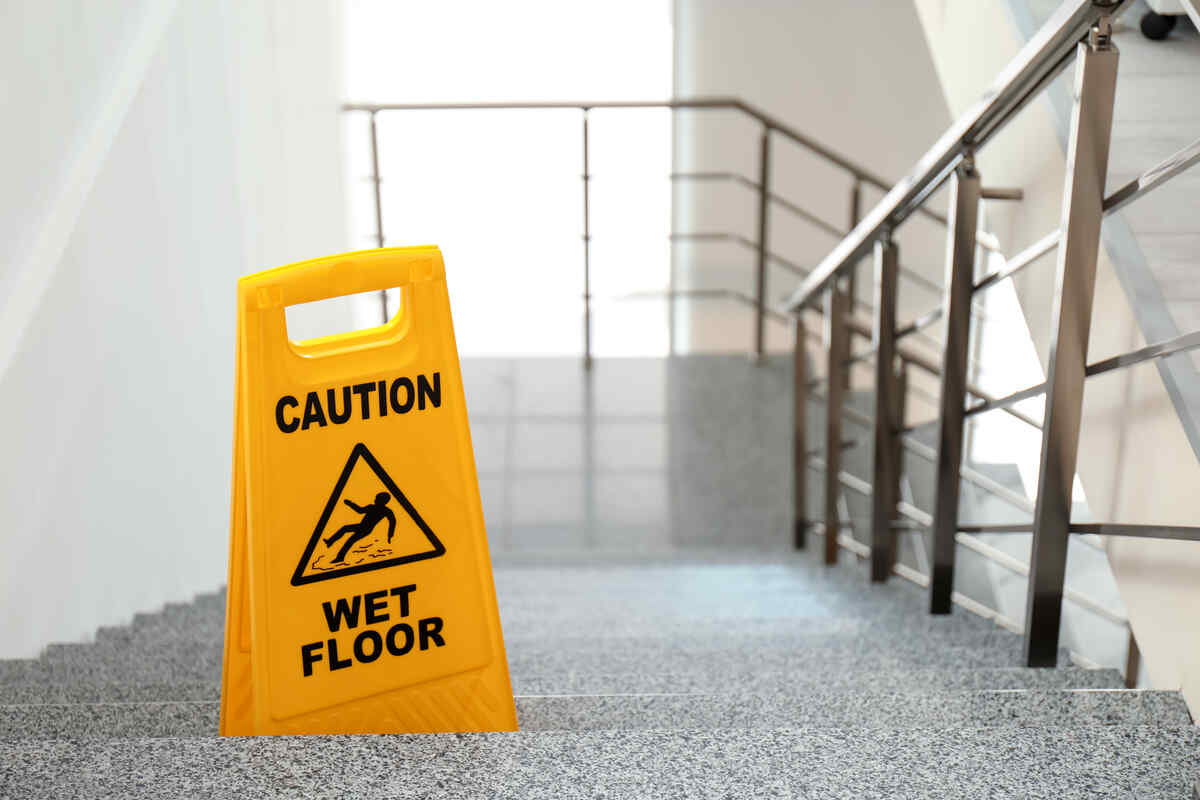
Why Floors Become Slippery When Wet
Most floors don’t feel dangerous—until they’re wet.
That’s what makes this issue easy to overlook. A surface can look clean, well-maintained, and completely safe under normal conditions. Then moisture is introduced, and the way that surface behaves changes immediately.
To understand why floors become slippery when wet, you have to look at what’s happening at the point of contact between the floor and your foot.
The Role of Friction (In Plain Terms)
Every step you take depends on friction.
Friction is what allows your shoe to grip the floor instead of sliding across it. When that friction is reduced, the surface becomes “slippery,” meaning it offers less resistance to movement.
Dry floors typically provide more friction because there’s direct contact between the shoe and the surface. That contact creates resistance, which keeps you upright.
When that resistance is reduced, the floor doesn’t necessarily look different—but it performs differently.
How Water Changes Surface Behavior
Water interferes with that direct contact.
Instead of your shoe gripping the surface itself, there’s now a thin layer of liquid between the two. In some cases, that layer acts almost like a lubricant. In others, it creates a subtle “gliding” effect that reduces traction just enough to matter.
On smoother surfaces, this can feel similar to hydroplaning. The shoe never fully connects with the floor, which makes it easier to lose footing—especially during quick movements, turns, or when carrying weight.
This is why a floor that feels completely normal when dry can suddenly feel unpredictable when wet.
Why Some Floors Are Affected More Than Others
Not all surfaces respond the same way to moisture. This is where the question of what makes floors slippery becomes more specific.
Several factors influence how much traction is lost when water is present:
Surface texture: Rough or textured surfaces maintain more grip because they create more contact points. Smooth or polished floors lose traction more easily.
Finish and coatings: Sealers, waxes, and finishes can reduce surface friction, especially when wet.
Material type: Tile, polished concrete, stone, and vinyl can all behave differently depending on how they’re installed and maintained.
Wear over time: Even floors that started with good traction can become more slippery as they wear down or are repeatedly cleaned.
This is why two floors in the same building can respond completely differently to the same conditions.
And it’s also why the question isn’t just “Is this floor slippery?” but:
How does this floor perform when conditions change?
Because that’s when most problems show up.
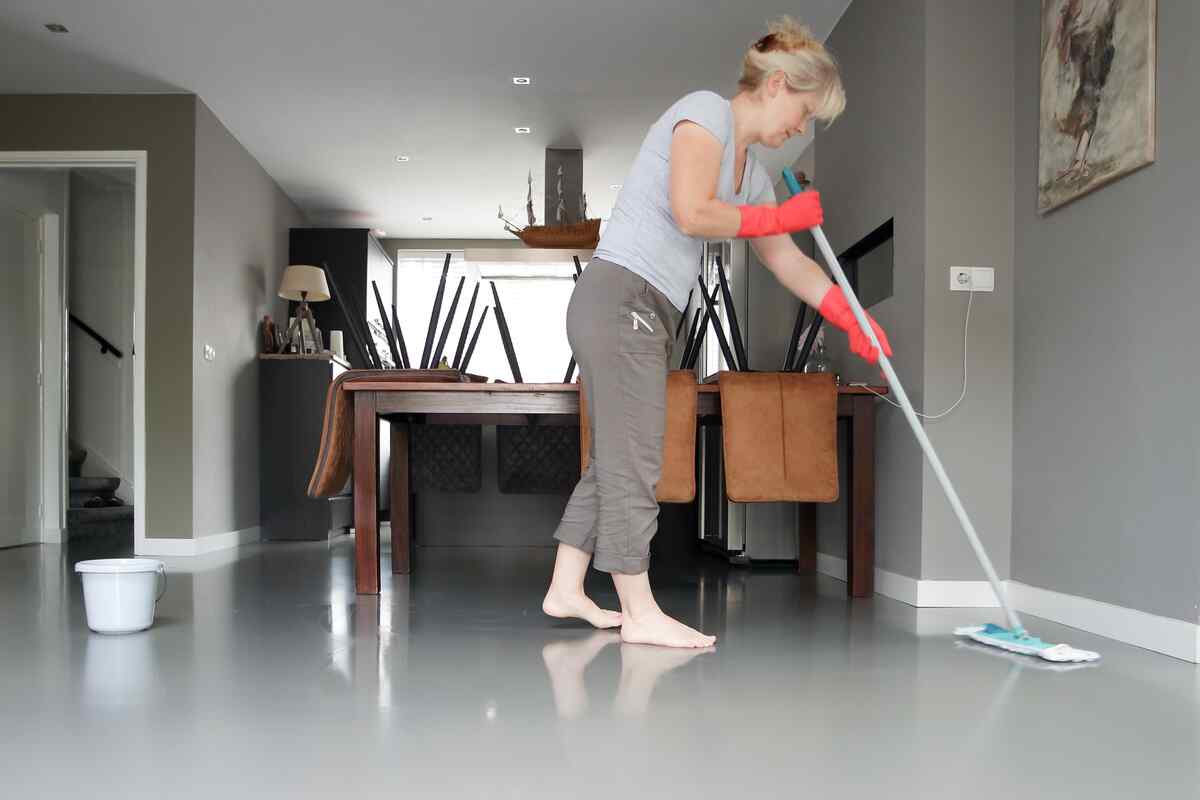
What Makes Floors Slippery (Beyond Just Water)
Water is usually blamed first—and it’s easy to see why.
When someone slips, the floor is often wet. But if water were the only factor, every wet floor would be equally dangerous. In reality, some surfaces hold traction surprisingly well, while others become unpredictable almost immediately.
To understand what makes floors slippery, you have to look beyond moisture and focus on the conditions that affect how the surface performs.
Surface Texture and Finish
One of the biggest factors is how the floor is finished.
Smooth, polished, or sealed surfaces tend to have fewer points of contact for footwear to grip. When those surfaces are dry, they may feel perfectly stable. Once moisture is introduced, that lack of texture becomes a problem.
On the other hand, surfaces with more micro-texture—whether visible or not—create more friction. They allow water to disperse and maintain better contact with the shoe.
This is why two floors made from similar materials can behave very differently depending on how they’re finished.
Contaminants Most People Don’t Think About
Not all slip risks are obvious.
Floors can become more slippery due to substances that aren’t immediately visible, including:
Oils from foot traffic or kitchens
Dust and fine debris
Residue from cleaning chemicals
Soap films left behind after mopping
In many cases, these contaminants combine with moisture and reduce traction further.
This is a common point of confusion. A floor can look clean and still perform poorly because what’s affecting traction isn’t always visible.
Environmental Factors
The environment around the floor plays a major role in what causes slippery floors, especially in commercial settings.
Common contributors include:
Rainwater tracked in through the entrances
Condensation in humid conditions
Spills in high-traffic areas
Transitions between indoor and outdoor surfaces
Entryways are a frequent problem area because they combine multiple risk factors at once: smooth flooring, constant foot traffic, and ongoing moisture.
Wear, Age, and Maintenance
Floors don’t perform the same way forever.
Over time:
Surface texture can wear down
Sealers and finishes can degrade
Repeated cleaning can alter how the surface reacts to moisture
Even a floor that originally had acceptable traction can become more slippery without anyone noticing the gradual change.
The Overlooked Factor: Cleaning Practices
This is where many facilities run into problems.
Cleaning is intended to improve safety, but in some cases, it does the opposite. Incorrect chemical use, improper dilution, or inconsistent procedures can leave behind residue that reduces traction.
In other words:
Some floors don’t become slippery because they’re dirty—they become slippery because of how they’re cleaned.
This is one of the most common and least recognized contributors to slip risk.
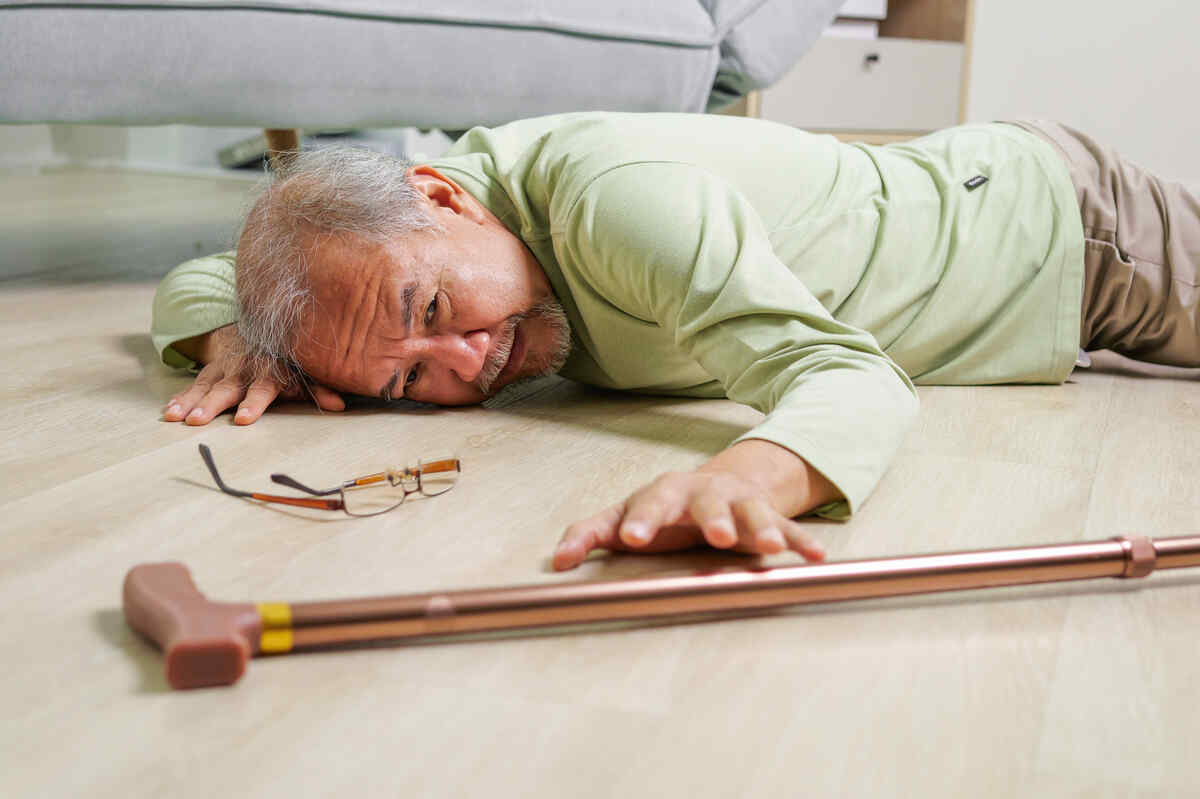
What Causes Slippery Floors in Real Facilities
At a basic level, it’s easy to explain what causes slippery floors—water, smooth surfaces, and reduced friction.
But in real facilities, the issue is rarely that simple.
Most slip problems don’t come from a single factor. They come from a combination of conditions that build up over time—often without anyone realizing how those conditions interact. A deeper breakdown of these patterns can be found in this explanation of the real causes of most slip-and-fall accidents.
This is where many buildings run into trouble. The floor isn’t evaluated as a system. It’s treated as a surface.
Cleaning Practices That Reduce Traction
This is one of the most common causes—and one of the least expected.
Cleaning is supposed to make floors safer. But in many cases, it actually reduces traction.
This can happen when:
Cleaning chemicals are too strong or not diluted properly
Residue is left behind after mopping
Different staff follow inconsistent procedures
The wrong product is used for the floor type
Over time, these small issues compound. A thin layer of residue builds up, and when moisture is introduced, traction drops faster than expected.
This is why a floor can feel fine when dry but noticeably different right after cleaning.
It’s also why many slip problems seem to “appear suddenly,” even though the conditions have been building for a while.
Floors That Were Never Measured
Another major issue is assumption.
In many facilities, floors are judged by how they look:
Clean = safe
Dry = safe
New = safe
But none of those things actually confirm how the surface performs.
If a floor hasn’t been evaluated, there’s no baseline. And without a baseline, there’s no way to know:
Whether traction meets acceptable levels
Whether conditions are getting worse over time
Whether changes (like new cleaning methods) are helping or hurting
This creates a blind spot. Everything seems fine—until it isn’t.
New Flooring That Introduces Risk
New floors are often assumed to be safer than old ones. In reality, they can introduce risk.
This usually happens when:
Floors are selected for appearance rather than performance
Polished or sealed finishes reduce surface grip
No traction evaluation is done after installation
From a design standpoint, the floor may look exactly right. From a performance standpoint, it may behave very differently when wet.
And because it’s new, the assumption is that nothing could be wrong.
Moisture Control Failures
Moisture doesn’t have to come from a spill to create risk.
In many buildings, it’s constant:
Rain tracked in through the entrances
Wet shoes during seasonal weather
Condensation in humid environments
Routine cleaning cycles
If moisture isn’t managed properly—through matting, layout, or maintenance—it repeatedly exposes the same surfaces to risk conditions.
Entryways are a good example. They’re exposed to water every day, but are often treated the same as any other floor area.
The Hidden Problem: Appearance vs. Performance
This is where everything comes together.
A floor can:
Look clean
Feel normal under light use
Show no visible defects
And still perform poorly under the conditions that actually matter.
That’s the gap between appearance and performance.
Most facilities operate on appearance because it’s visible and easy to judge. Performance requires evaluation. And without that evaluation, decisions are based on assumptions.
This is why slip incidents often feel unexpected.
From the outside, nothing looked wrong.
Why Slippery Floors Become a Liability Problem
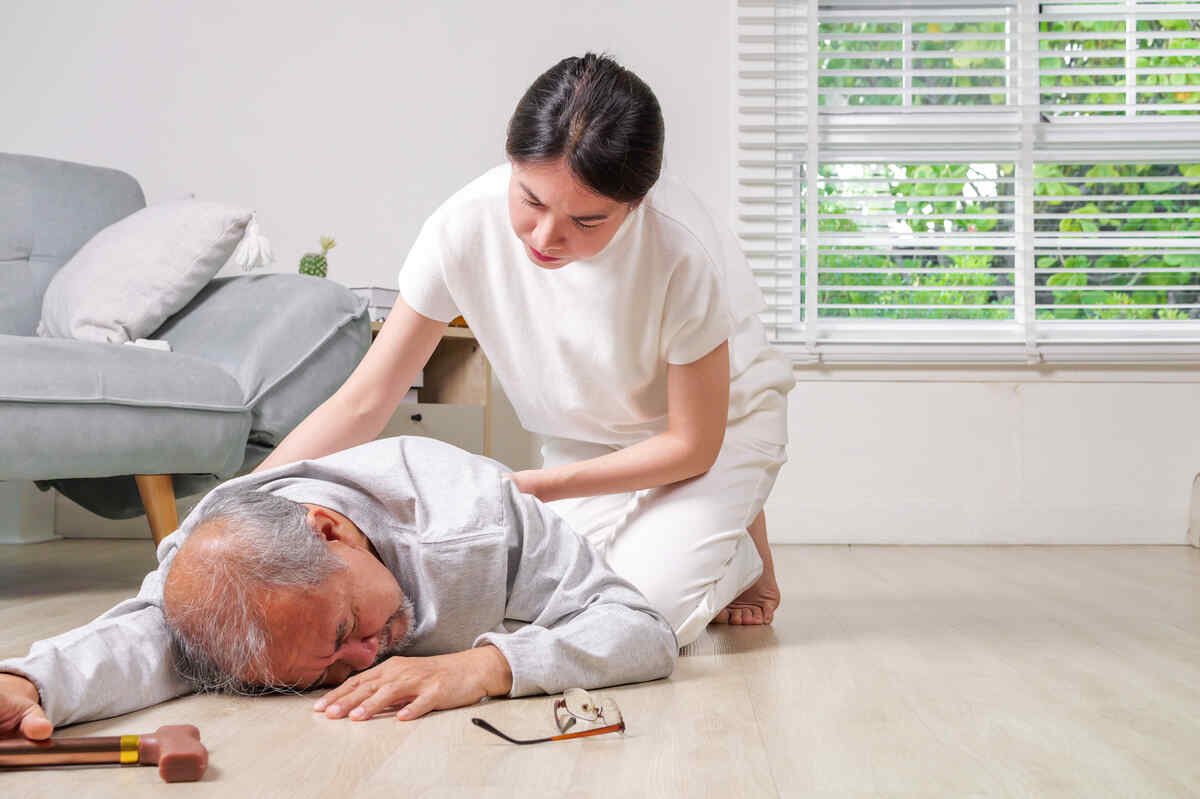
At first glance, a slippery floor seems like a maintenance issue.
In practice, it becomes something else entirely.
For someone responsible for a building, the real concern isn’t just whether a floor is slippery. It’s whether that condition was understood, evaluated, and addressed before someone got hurt.
That’s where the problem shifts from operational to legal.
Most Slip Incidents Aren’t Random
Slip-and-fall incidents are often treated as unavoidable accidents. In many cases, they’re not.
They tend to follow patterns:
The same area becomes slippery under certain conditions
The issue shows up after cleaning or during wet weather
There are near-misses before an actual fall occurs
These are early signals. The problem is they’re often ignored because nothing serious has happened yet.
From a risk standpoint, that creates exposure.
Because once an incident does occur, the question isn’t just what happened—it’s:
Was there any indication this could happen?
The Cost of “We Didn’t Know”
After a fall, the situation changes quickly.
What was previously a routine condition becomes something that has to be explained.
That can include:
Injury reports
Workers’ compensation claims
Insurance involvement
Legal review of the environment and maintenance practices
At that point, saying “we didn’t know” doesn’t carry much weight—especially if the conditions were consistent or recurring.
This is why slippery floors are rarely treated as isolated issues after an incident. They’re evaluated as part of a broader question:
Was this preventable?
The Documentation Problem
This is where many facilities are unprepared.
If a floor has never been evaluated, there’s no record of:
How it performs under wet conditions
Whether it meets accepted safety expectations
Whether any steps were taken to verify or improve traction
Without that, everything becomes reactive.
Decisions are made after the incident, not before it. And there’s no way to show that the risk was understood or addressed proactively.
For someone in a facilities role, that’s the real pressure point.
It’s not just managing the building—it’s being able to demonstrate that reasonable steps were taken to manage risk.
Responsibility Without Visibility
This creates a difficult position.
You’re responsible for:
Safety
Maintenance
Compliance
Operational continuity
But without evaluation, you don’t have full visibility into how one of the most common risk areas—walking surfaces—actually performs.
That gap between responsibility and visibility is where liability lives.
And it’s why slip-and-fall issues tend to escalate quickly once they surface.
How to Prevent Slippery Floors (What Actually Works)
Once you understand why floors become slippery when wet and what causes slippery floors, the next question is straightforward:
What actually fixes the problem?
This is where many facilities go wrong. The default response is often to apply a product, add more signage, or increase cleaning frequency. Sometimes those steps help. Other times, they create new issues without addressing the underlying cause.
Preventing slippery floors isn’t about doing more—it’s about doing the right things in the right order.
Step 1: Establish a Baseline (Test First)
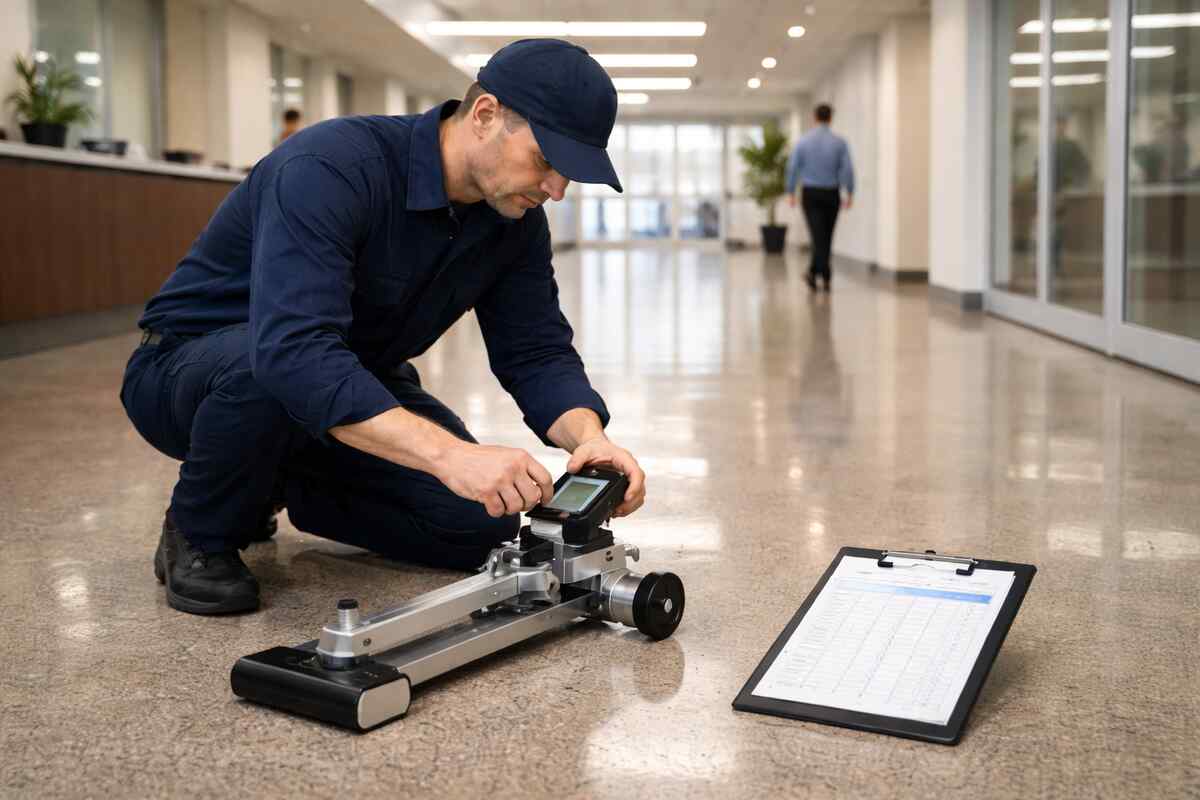
Before making any changes, you need to understand how the floor performs now.
Without that baseline:
You don’t know if there’s a real problem
You don’t know how severe it is
You don’t know if changes are improving or worsening the situation
This is where most decisions break down. Actions are taken based on assumptions instead of verified performance.
In practical terms, this means evaluating traction under real conditions—especially when the floor is wet. This is typically measured using the dynamic coefficient of friction (DCOF), which is the industry standard for understanding how slippery a surface is during actual use.
Step 2: Fix Environmental and Cleaning Issues First
In many cases, the floor itself isn’t the primary problem.
It’s how the environment and maintenance practices interact with it.
Common improvements include:
Adjusting cleaning chemistry and dilution
Ensuring residue isn’t left behind after mopping
Standardizing cleaning procedures across staff
Improving matting in entryways
Managing moisture before it spreads across walking surfaces
These changes often have a significant impact because they address the conditions that reduce traction in the first place.
In other words, before changing the floor, it makes sense to correct the system around it.
Step 3: Improve Surface Performance (When Needed)
If the floor still doesn’t perform adequately after environmental and maintenance adjustments, then it may need to be addressed directly.
At this stage, the goal isn’t to alter the appearance—it’s to improve how the surface behaves under wet conditions.
Depending on the material, this can involve:
Enhancing micro-texture
Increasing surface friction
Applying targeted treatments where necessary
The key is that any intervention should be based on measured need, not assumption.
Not every floor requires treatment. And when it does, the least disruptive option is usually the most effective long-term.
Step 4: Avoid One-Size-Fits-All Solutions
One of the most common mistakes in trying to prevent slippery floors is applying the same solution everywhere.
For example:
Coating every surface without evaluating performance
Using the same cleaning process across different materials
Treating low-risk and high-risk areas the same
This approach often leads to unnecessary maintenance, inconsistent results, and sometimes new safety concerns.
Different surfaces—and different areas within the same facility—require different approaches.
Step 5: Document What Was Evaluated and Addressed
Prevention isn’t just about improving conditions. It’s also about being able to show what was done.
That includes:
Establishing a baseline
Recording any changes made
Verifying results after adjustments
If something does happen later, documentation becomes critical. It shows that the condition was evaluated and that reasonable steps were taken to address it.
Without that record, even well-intentioned actions can be difficult to prove.
Common Mistakes That Make Floors More Slippery
Most slippery floor problems aren’t caused by neglect.
They’re caused by decisions that were meant to improve safety—but were made without fully understanding how the floor actually performs.
That’s what makes this issue frustrating. The intent is usually correct. The outcome just doesn’t match it.
If you’re trying to understand how to prevent slippery floors, it helps to know what tends to make them worse.
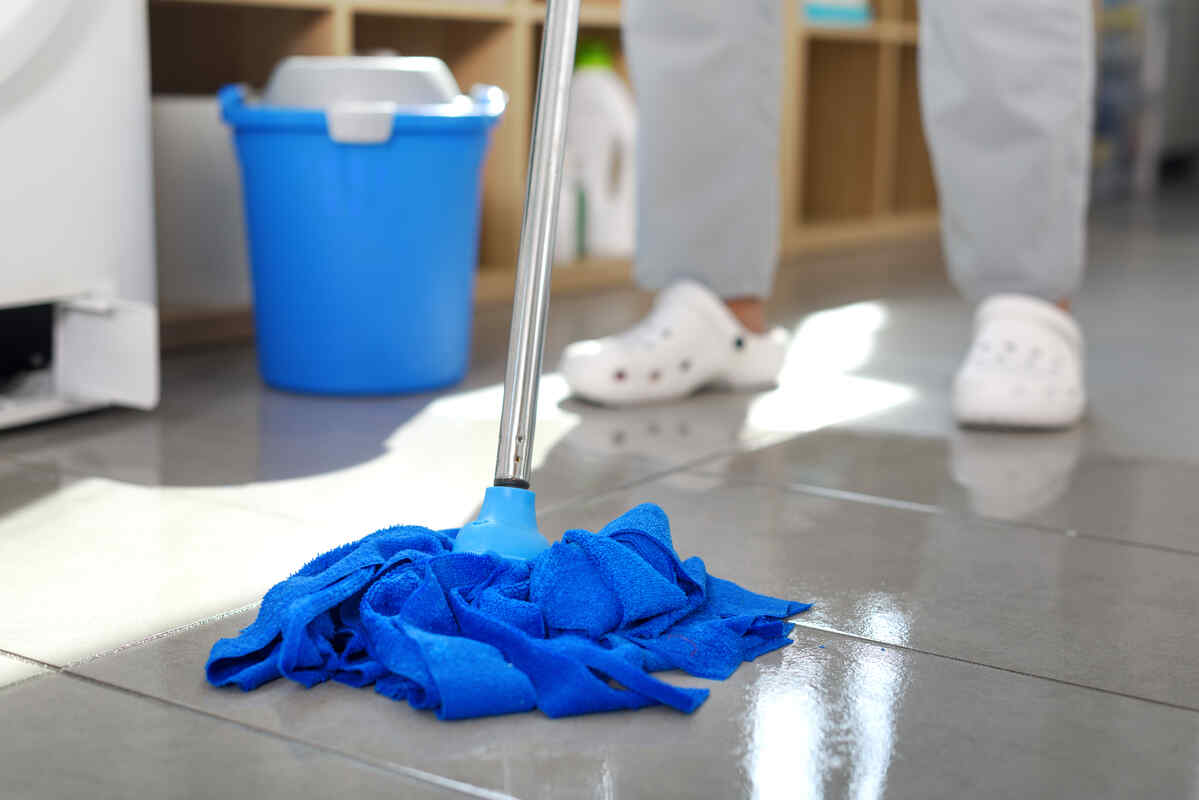
Assuming Cleaning Always Improves Traction
Cleaning is one of the most misunderstood variables.
There’s an assumption that the cleaner the floor, the safer it is. In reality, cleaning can either improve or reduce traction depending on how it’s done.
Common issues include:
Using too much chemical or the wrong product
Improper dilution
Leaving behind residue that builds up over time
In some cases, floors become more slippery immediately after cleaning, not before. That’s usually a sign that the process is affecting surface performance, not improving it.
Applying Coatings Without Testing First
When a floor feels slippery, the instinct is often to “add grip” by applying a coating or treatment.
The problem is that without testing, there’s no way to know:
If the floor actually needs it
If the coating solves the right problem
If it introduces new maintenance or appearance issues
Coatings can be useful in the right situations. But applying them without understanding the baseline often leads to overcorrection—or solving the wrong issue entirely.
Relying on Mats and Signs as a Fix
Mats and warning signs have their place, especially in high-moisture areas.
But they don’t fix the floor.
They:
Help manage moisture temporarily
Warn people about existing conditions
They don’t change how the surface performs. And they don’t reduce the underlying risk if the floor itself lacks traction.
Used correctly, they’re part of a broader strategy. Used alone, they tend to become a workaround.
Treating All Floors the Same
Different materials respond differently to:
Moisture
Cleaning methods
Foot traffic
Applying the same approach across every surface can create inconsistent results.
For example:
A process that works on tile may reduce traction on polished concrete
A product designed for one surface may leave residue on another
Without evaluating each area, it’s easy to unintentionally create new problem spots.
Ignoring Early Warning Signs
Most slip incidents don’t happen without some indication beforehand.
Common early signals include:
Floors feel different when wet
Staff mentioning areas that are “slick.”
Near-misses that aren’t formally reported
Conditions are changing after cleaning or weather events
These are opportunities to evaluate the surface before something more serious happens.
Waiting until there’s an actual incident turns a manageable issue into a reactive situation.
Final Takeaway: The Problem Isn’t Always the Floor
By the time someone starts asking why floors become slippery when wet, something has usually already changed.
The floor feels different. Conditions aren’t as predictable. There’s a sense that something isn’t quite right, even if nothing has happened yet.
That’s the point where most facilities start looking for answers.
But the important shift is this: water doesn’t create the problem. It reveals how the surface actually performs.
Some floors handle that change without issue. Others lose just enough traction to become a risk. The difference isn’t always visible, and it isn’t something you can confirm by looking at the floor alone.
That’s where many buildings stay exposed without realizing it.
The surface looks fine. Cleaning is being done. No incidents have been reported. But none of those things confirms whether the floor is performing at a safe level under real conditions.
And that’s the gap that leads to surprises.
If you’ve read this far, you already understand more than most. You know that what makes floors slippery isn’t just water. You know that what causes slippery floors is often tied to cleaning, environment, and surface performance—not just the material itself.
And you know that how to prevent slippery floors starts with understanding what’s actually happening, not guessing.
At that point, the next step becomes simple.
Establish a baseline.
If a floor hasn’t been tested, it’s still an unknown.
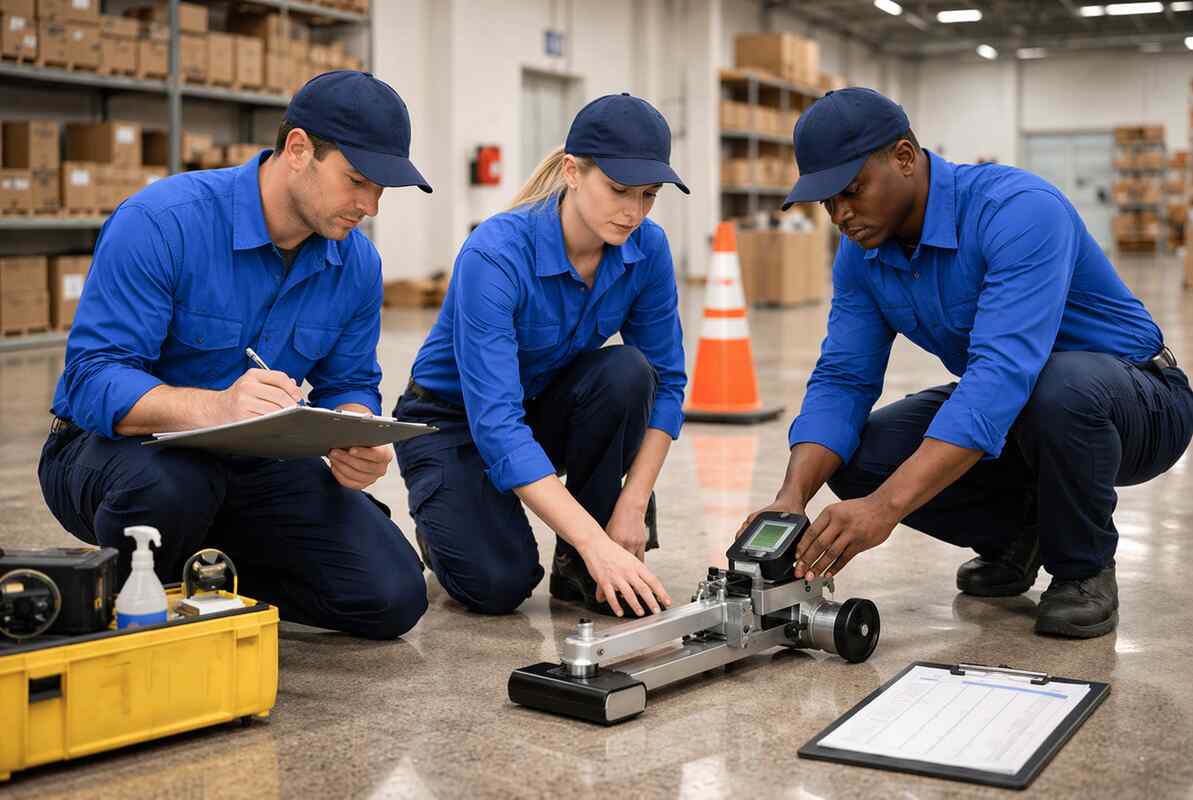
If you’re responsible for a facility and you’ve noticed changes in how your floors perform—or you just want to remove the uncertainty—the most practical next step is to have it evaluated properly.
Slip Stoppers of Alabama works with facilities to measure floor traction, identify what’s actually causing the issue, and determine whether anything needs to change. In many cases, the answer isn’t what people expect. Sometimes the floor is fine. Sometimes the problem is coming from something else entirely.
Either way, you end up with clarity instead of assumptions.
If you want to understand how your floors are actually performing, you can contact Slip Stoppers of Alabama at 205.473.2925 and start with a simple evaluation.
No guessing. Just measured answers.